What is Website Traffic and Why Does It Matter?
In the ever-evolving digital landscape, the term “website traffic” is a cornerstone of online presence and marketing strategies. But what does it actually mean, and why should businesses and individuals alike care about it? In this article, we’ll dive deep into what website traffic entails, explore its significance, and discuss how it impacts your digital…
In the ever-evolving digital landscape, the term “website traffic” is a cornerstone of online presence and marketing strategies. But what does it actually mean, and why should businesses and individuals alike care about it? In this article, we’ll dive deep into what website traffic entails, explore its significance, and discuss how it impacts your digital success.
What is Website Traffic?
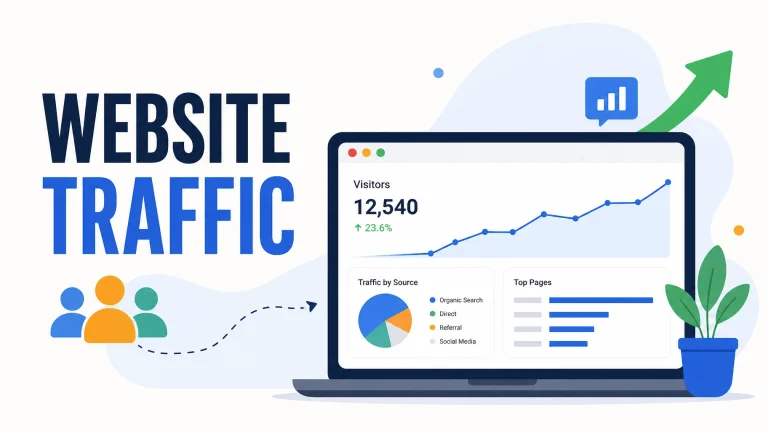
Website traffic refers to the volume of users who visit a website over a specific period. Each visit, also known as a “session”, represents an opportunity for a website to engage with its audience, whether the goal is to inform, sell, entertain, or inspire. Traffic can be analysed in various ways, including:
- Number of Visitors: The total count of users visiting the site.
- Traffic Sources: The origin of visitors, such as search engines, social media platforms, referral links, or direct access.
- Session Duration: How long users stay on the website.
- Bounce Rate: The percentage of visitors who leave without interacting with the site beyond the initial page.
Understanding these metrics is crucial to evaluate a website’s performance and uncover opportunities for improvement.
Types of Website Traffic
Website traffic isn’t one-size-fits-all. It’s categorised into different types based on the source:
- Organic Traffic: This comes from users who find your website through search engines like Google or Bing. Organic traffic often results from effective search engine optimisation (SEO), which helps your site rank higher in search results.
- Direct Traffic: Visitors in this category type your website’s URL directly into their browser or access it through a bookmarked link. High direct traffic often indicates strong brand recognition.
- Referral Traffic: Referral traffic occurs when users arrive at your site via links from other websites. These could be blog mentions, directory listings, or backlinks from partners.
- Social Traffic: This includes visitors who come to your website from social media platforms like Facebook, Instagram, Twitter, or LinkedIn. Social media marketing strategies often aim to increase this type of traffic.
- Paid Traffic: Paid traffic results from advertising campaigns, such as Google Ads, social media ads, or sponsored content. This type of traffic is often targeted to specific audiences.
- Email Traffic: Visitors under this category arrive from links in email newsletters or promotional emails.
Why Does Website Traffic Matter?
Website traffic matters because it is directly tied to a site’s visibility, engagement, and potential for achieving its goals. Let’s unpack the key reasons why it’s crucial:
1. Visibility and Reach
In the digital world, visibility is power. More traffic means more people are seeing your content, learning about your brand, and potentially converting into customers. For businesses, a high volume of traffic increases the likelihood of sales or leads, while for bloggers or influencers, it boosts reach and influence.
2. Audience Engagement
Traffic doesn’t just represent numbers; it represents people engaging with your website. Analysing traffic helps you understand how users interact with your content, whether through clicks, downloads, or other forms of engagement.
3. Revenue Generation
For e-commerce websites, traffic is the lifeblood of sales. The more visitors you have, the greater the chance to convert them into paying customers. Similarly, for content-driven websites, high traffic can translate to ad revenue or affiliate earnings.
4. SEO Performance
Search engines prioritise websites with high and consistent traffic. If your site attracts a steady stream of visitors, search engines perceive it as valuable, improving its rankings and driving even more traffic.
5. Data and Insights
Traffic analytics provide valuable insights into user behaviour, preferences, and demographics. This information is essential for refining marketing strategies and enhancing the overall user experience.
6. Competitive Advantage
In competitive industries, attracting and retaining website traffic can set you apart. A well-trafficked website signals authority and trustworthiness in your niche.
Key Metrics to Evaluate Website Traffic
Understanding the volume of website traffic is just the beginning. Key performance metrics help you gauge the quality and effectiveness of your traffic:
- Unique Visitors: Measures the number of distinct users visiting your website during a specific time frame.
- Page Views: Tracks how many pages visitors view during their session. High page views indicate that users find your content engaging.
- Average Session Duration: The average time visitors spend on your site. A longer duration suggests quality content and user engagement.
- Bounce Rate: A high bounce rate can indicate that visitors aren’t finding what they’re looking for or that the website experience needs improvement.
- Conversion Rate: Tracks the percentage of visitors who take a desired action, such as making a purchase, signing up for a newsletter, or downloading a resource.
How to Drive Website Traffic?
Now that we know what website traffic is and why it’s important, let’s explore ways to increase it:
- Optimise for Search Engines (SEO): Use relevant keywords, meta descriptions, and high-quality content to rank higher in search results.
- Leverage Social Media: Share your content across social platforms and engage with your audience to drive traffic.
- Invest in Paid Advertising: Use platforms like Google Ads or Facebook Ads to target specific audiences and boost traffic.
- Create Valuable Content: Consistently publish blog posts, videos, or other forms of content that address your audience’s needs and interests.
- Build a Strong Backlink Profile: Partner with reputable websites to gain referral traffic through backlinks.
- Use Email Marketing: Engage with your existing audience through newsletters and promotions.
- Improve User Experience: Ensure your website is fast, mobile-friendly, and easy to navigate.
Turn Website Traffic into Business Growth
Website traffic is more than just numbers—it’s the foundation of your online success. At Miti Websites, we help businesses unlock the potential of their website traffic to grow their brand, connect with their audience, and achieve digital success.
Don’t let opportunities slip by! Partner with Miti Websites to implement data-driven strategies that turn visitors into loyal customers. Contact us today and take the first step toward building a thriving online presence.