How SSL Works: Understanding Its Importance for Website Security
In today’s interconnected digital landscape, securing online communications has become more critical than ever. As we entrust websites with sensitive data like passwords, credit card information, and personal details, the need for robust protection grows. Enter SSL – Secure Sockets Layer – a technology that safeguards data as it travels between a user’s browser and…
In today’s interconnected digital landscape, securing online communications has become more critical than ever. As we entrust websites with sensitive data like passwords, credit card information, and personal details, the need for robust protection grows. Enter SSL – Secure Sockets Layer – a technology that safeguards data as it travels between a user’s browser and a website’s server. But what exactly is SSL, and why does it matter? Let us explore.
What is SSL?
SSL, or Secure Sockets Layer, is a standard security technology for establishing an encrypted link between a web server and a browser. This encryption ensures that all data passed between the server and the browser remains private and secure. SSL uses complex algorithms to scramble data into an unreadable format during transmission, making it inaccessible to unauthorised parties. Once the data reaches its intended destination, it is decrypted back into its original form.
Although SSL has largely been succeeded by Transport Layer Security (TLS), the term “SSL” is still widely used to refer to this encryption technology. TLS builds upon SSL by offering enhanced security features and better performance, but the foundational concept of encrypting data in transit remains the same.
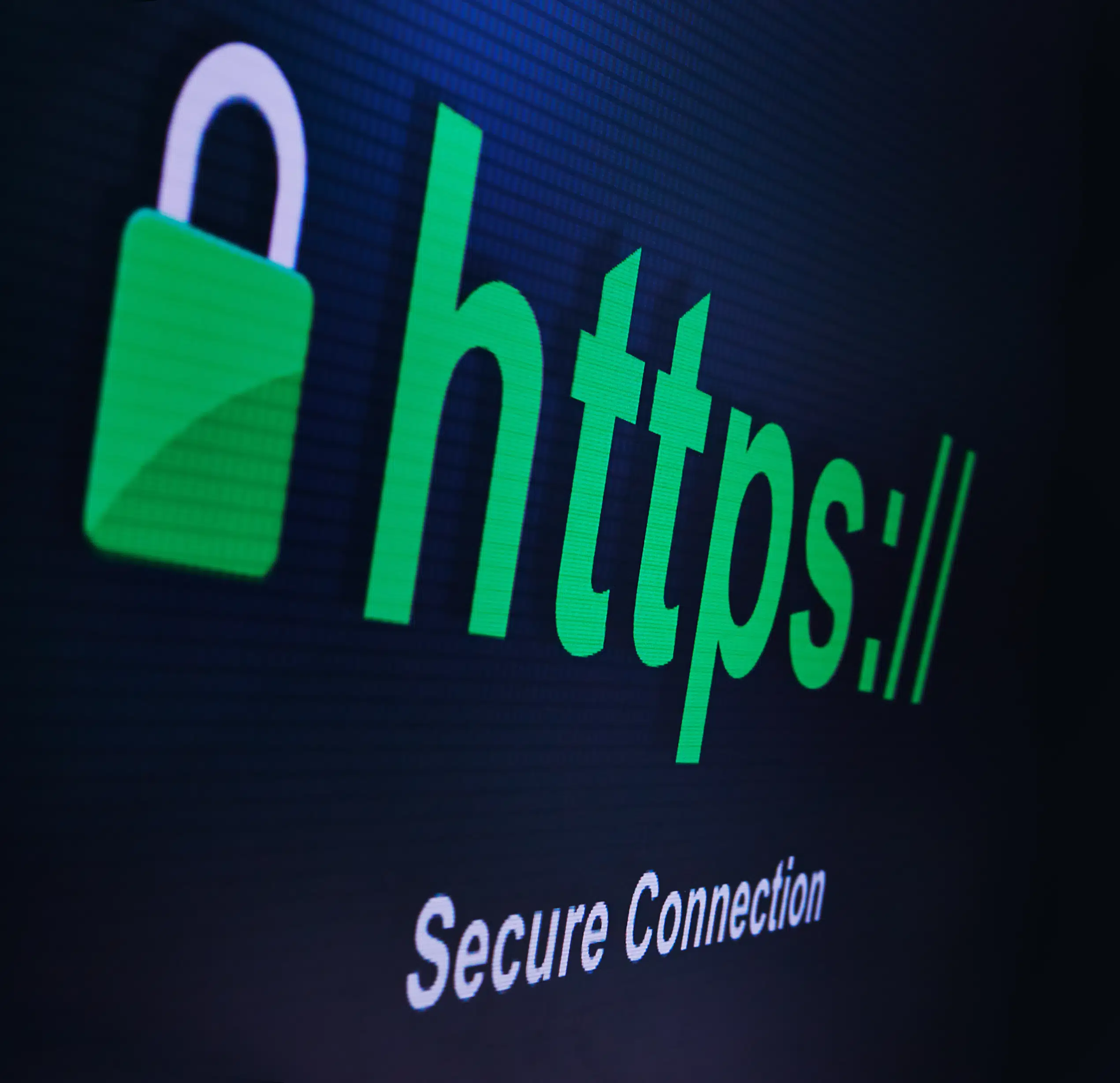
The hallmark of a website secured with SSL is the “HTTPS” in the URL, accompanied by a padlock icon. These indicators reassure users that their connection is encrypted and that the website is trustworthy. For businesses, these visual cues are essential for building customer confidence, particularly for e-commerce platforms and websites that handle sensitive personal or financial information. Additionally, some browsers and search engines flag websites lacking SSL as “not secure,” further highlighting the importance of implementing this technology.
How Does SSL Work?
SSL operates using a combination of public-key and symmetric encryption to ensure secure communication. Here is a detailed breakdown of the process:
- Handshake and Authentication
- When a user visits an SSL-secured website, the browser and server initiate an SSL handshake. This is the first step in establishing a secure connection.
- The server presents an SSL certificate to the browser. This certificate, issued by a trusted Certificate Authority (CA), contains the server’s public key and verifies the website’s identity.
- The browser checks the certificate’s validity by examining the expiration date and confirming the issuing CA’s legitimacy. If the certificate passes this verification, the browser trusts the website and proceeds to the next step. If not, users receive a warning that the site may be insecure.
- Session Key Creation
- Once the certificate is validated, the browser generates a session key. This is a symmetric encryption key designed for secure data exchange during the session.
- The browser encrypts the session key using the server’s public key (provided in the SSL certificate) and sends it to the server.
- The server decrypts the session key using its private key, ensuring that both the browser and the server now possess the same session key.
- Encrypted Communication
- Using the session key, both the browser and the server encrypt and decrypt data transmitted between them. Symmetric encryption is employed here because it is faster and more efficient for ongoing data exchanges.
- This secure channel ensures that sensitive information, such as login credentials or payment details, remains protected from eavesdropping, tampering, or interception by malicious actors.
- Maintaining Connection Integrity
- Throughout the session, SSL includes mechanisms to verify data integrity. This prevents data from being altered during transmission, ensuring that what the server sends is exactly what the browser receives, and vice versa.
This entire process takes place within milliseconds, allowing users to browse securely without noticeable delays. The result is a seamless and protected online experience.
Why Does SSL Matter?
SSL is not just a technical feature – it is a cornerstone of modern internet security. Here are several reasons why SSL matters:
- Protecting Sensitive Data: SSL ensures that sensitive information, such as login credentials, payment details, and personal data, is encrypted during transmission. This prevents cybercriminals from intercepting and misusing the data.
- Building Trust with Users: The presence of SSL signals to users that a website takes security seriously. The padlock icon and “HTTPS” prefix instil confidence, especially for e-commerce platforms and websites that handle private information.
- Boosting Search Engine Rankings: Major search engines like Google prioritise SSL-secured websites in their rankings. This means that adopting SSL can enhance your website’s visibility and attract more visitors.
- Compliance with Regulations: Many data protection laws and regulations, such as the Australian Privacy Act and the General Data Protection Regulation (GDPR), emphasise the importance of encrypting user data. Implementing SSL can help businesses comply with these requirements.
- Preventing Phishing and Man-in-the-Middle Attacks: SSL certificates authenticate the identity of a website, making it harder for attackers to create fake websites. Encrypted communication also thwarts attempts to intercept data through man-in-the-middle attacks.
Types of SSL Certificates
SSL certificates come in various types, each catering to different security needs:
- Domain Validation (DV): Confirms the ownership of a domain. It is the simplest and quickest type of certificate to obtain, suitable for personal websites and blogs.
- Organisation Validation (OV): Verifies the legitimacy of a business or organisation. This type of certificate is ideal for commercial websites.
- Extended Validation (EV): Provides the highest level of trust by thoroughly validating the organisation’s identity. EV certificates are often used by financial institutions and large enterprises.
- Wildcard SSL: Secures a domain and its subdomains. For example, a wildcard certificate for “example.com” also protects “blog.example.com” and “shop.example.com”.
- Multi-Domain SSL: Allows multiple domains to be secured with a single certificate, ideal for businesses managing several websites.
Implementing SSL on Your Website
Securing your website with SSL is a straightforward process:
- Purchase an SSL Certificate
- Choose a reputable Certificate Authority (CA) or a hosting provider that offers SSL certificates.
- Install the Certificate
- Follow your hosting provider’s instructions to install the SSL certificate on your web server.
- Update Website Links
- Update all internal links and resources to use “HTTPS” instead of “HTTP”.
- Enable HTTPS
- Configure your server to redirect all “HTTP” traffic to “HTTPS”, ensuring a secure browsing experience for all visitors.
The Future of SSL and Web Security
While SSL remains a critical component of online security, the landscape is constantly evolving. TLS 1.3, the latest version of SSL’s successor, offers faster and more secure connections. Additionally, advancements in quantum computing are driving research into post-quantum cryptography, which aims to future-proof encryption methods.
By staying informed and adopting best practices, businesses and individuals can continue to safeguard their online presence.
Secure Your Business with SSL Today
SSL is essential for safe online communication, safeguarding sensitive data, building trust, improving search rankings, and ensuring compliance with data protection laws. As a business owner, understanding and prioritising SSL is crucial in today’s digital landscape.
Don’t wait! Secure your website with SSL now and show your customers that their information is safe. Contact us today to implement SSL for your business and enhance both security and trust.