How Web Design and SEO Services Work Together for a Company’s Website Growth
In today’s digital landscape, having a beautifully designed website is only part of the equation when it comes to online success. If your website is not optimised for search engines, it may never be seen by your target audience. This is where the synergy between web design and SEO services becomes critical. Together, they create…
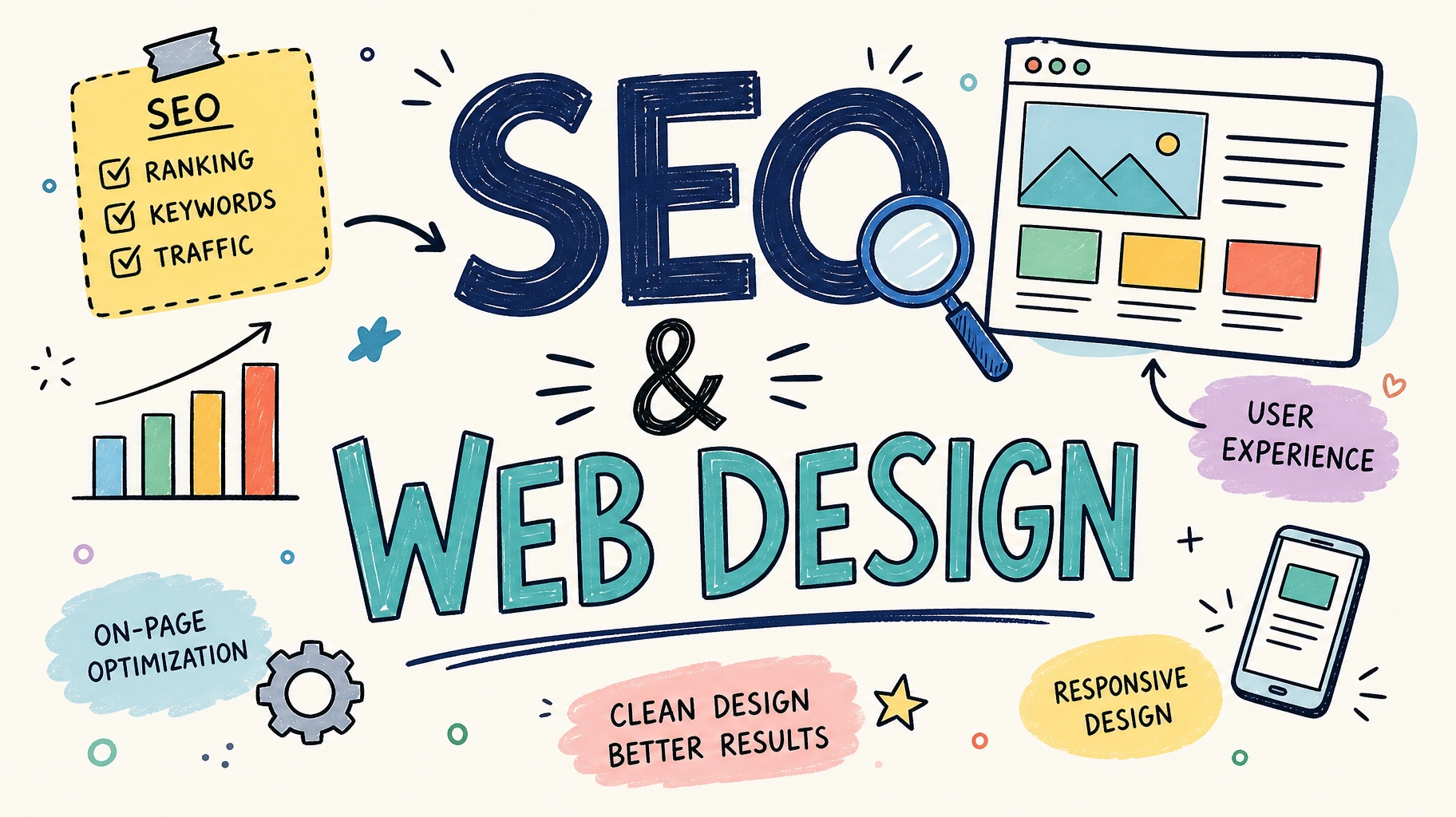
In today’s digital landscape, having a beautifully designed website is only part of the equation when it comes to online success. If your website is not optimised for search engines, it may never be seen by your target audience. This is where the synergy between web design and SEO services becomes critical. Together, they create a seamless user experience that not only attracts visitors but also keeps them engaged and guides them toward conversion.
In this blog, we’ll explore how web design and SEO services work hand-in-hand to drive growth, helping your business reach its full potential online.
Understanding the Role of Web Design
Web design is the process of creating the look, feel, and functionality of a website. It involves aspects such as layout, colour scheme, typography, images, and overall user experience (UX). While aesthetics are important, modern web design goes far beyond how your site looks. It focuses on usability, mobile responsiveness, and ensuring a smooth experience for every visitor.
A well-designed website does the following:
- Enhances user experience: A visually appealing and easy-to-navigate site encourages visitors to explore more, increasing the chances of conversion.
- Builds trust and credibility: Professional web design helps establish your business as reliable and trustworthy.
- Supports your brand identity: Your website is often the first impression potential customers have of your business, so it needs to reflect your brand accurately.
SEO: The Engine That Drives Traffic
Search Engine Optimisation (SEO) refers to the strategies used to improve a website’s ranking on search engine results pages (SERPs). When done correctly, SEO can significantly increase organic traffic to your site, ensuring that people searching for products or services you offer can find you online.
SEO consists of various elements, including:
- Keyword optimisation: Ensuring your content is optimised for relevant search terms that your target audience is likely to use.
- Technical SEO: This involves optimising the backend of your website, such as site speed, mobile-friendliness, and clean code, which can impact how search engines index your site.
- Link building: Creating high-quality backlinks from reputable websites to improve your site’s authority.
- Content optimisation: High-quality content that provides value to users, which is key to ranking well on search engines like Google.
Without SEO, even the best-designed website may remain invisible to your potential customers.
The Intersection of Web Design and SEO
For a website to succeed, web design and SEO services must work together. Here’s how these two elements complement each other for the best results:
1. Mobile Responsiveness
Mobile-friendliness is a key ranking factor for search engines like Google. In Australia, over 90% of the population owns a smartphone, meaning a large portion of your website traffic will come from mobile users. A responsive web design ensures that your site automatically adjusts to fit the screen size of any device, providing a seamless user experience.
Moreover, Google’s algorithm prioritises mobile-friendly websites in search results. Therefore, your web design must focus on mobile optimisation to improve your chances of ranking higher on SERPs. By combining SEO and responsive web design, you’re not only meeting user expectations but also pleasing search engines.
2. Site Speed
Site speed is both a web design and an SEO issue. Users expect a website to load within a few seconds, and a slow site can drive potential customers away. Search engines like Google also take site speed into account when ranking websites.
To optimise site speed, your web design should focus on:
- Compressing images to reduce load times.
- Minimising HTTP requests.
- Using clean, efficient code.
- Leveraging browser caching.
SEO specialists ensure that your website meets these technical requirements, while web designers make sure it still looks great and functions smoothly.
3. User Experience (UX) and Engagement
Search engines favour websites that provide a good user experience. When users spend more time on your site, engage with your content, and visit multiple pages, it sends positive signals to search engines that your website is valuable and relevant.
Web design plays a crucial role in UX by creating an intuitive navigation system, strategically placing call-to-action (CTA) buttons, and ensuring the website layout is clean and easy to understand. Meanwhile, SEO ensures that the site architecture is logical and user-friendly, helping search engines crawl and index your pages more efficiently.
4. Optimised Content Structure
SEO relies heavily on content, but it’s web design that determines how content is displayed on your site. A well-designed website uses headings, subheadings, bullet points, and images to make content more readable and engaging.
From an SEO perspective, content structure is important because search engines use headings (H1, H2, etc.) to understand the hierarchy of information on your page. Incorporating the right keywords into these headings also helps improve search rankings. When web design and SEO work together, they ensure that your content is not only visually appealing but also optimised for search engines.
5. Internal Linking Strategy
Internal linking is a crucial SEO strategy that helps search engines understand the structure of your website and distribute page authority. Web designers need to consider internal linking during the design phase to ensure that links are incorporated naturally into the site’s layout.
A well-thought-out internal linking strategy improves user navigation and keeps visitors on your site longer, which can positively impact your SEO performance.
The Business Growth Impact of Web Design and SEO Integration
When web design and SEO services work together, they form a powerful combination that can drive significant growth for your business. Here’s how:
- Increased traffic: SEO brings in more visitors by improving your site’s ranking on search engines, while web design keeps them engaged.
- Higher conversions: A well-designed, user-friendly website increases the likelihood that visitors will convert into customers, whether by making a purchase, signing up for a newsletter, or filling out a contact form.
- Better brand recognition: Together, web design and SEO help build a cohesive online presence that strengthens your brand.
- Long-term success: With a solid foundation in both design and optimisation, your website is well-equipped to grow and evolve as your business scales.
Ready to Boost Your Website’s Performance?
Web design and SEO are not two separate entities; they are partners in creating a successful online presence. A website that looks great but isn’t optimised for search engines will struggle to attract traffic. Conversely, a site that ranks high on Google but offers poor user experience will fail to convert visitors into customers.
By integrating web design and SEO services, you’re ensuring that your website not only ranks well but also provides value to your audience, driving long-term growth for your business.
Are you ready to take your business to the next level with a website that combines stunning design and powerful SEO? Get in touch with our team today to find out how we can help create a website that not only looks amazing but also drives real results.